
Knight’s Cross of the Iron Cross / Ritterkreuz des Eisernes Kreuzes
Date Instituted: | |||||||||||||||||||||||||||||||||||||||||||||||||||||||||||||||||||||||||||||||||||||||||||||||||||||||||||||||||||||||||||||||||||||||||||||||||||||||||||||||||
| September 1st, 1939 | |||||||||||||||||||||||||||||||||||||||||||||||||||||||||||||||||||||||||||||||||||||||||||||||||||||||||||||||||||||||||||||||||||||||||||||||||||||||||||||||||
Awarded To: | |||||||||||||||||||||||||||||||||||||||||||||||||||||||||||||||||||||||||||||||||||||||||||||||||||||||||||||||||||||||||||||||||||||||||||||||||||||||||||||||||
| Officers and men of all ranks within any branch of the Wehrmacht, Waffen-SS, or the auxiliary service organizations. | |||||||||||||||||||||||||||||||||||||||||||||||||||||||||||||||||||||||||||||||||||||||||||||||||||||||||||||||||||||||||||||||||||||||||||||||||||||||||||||||||
Required Qualifications*: | |||||||||||||||||||||||||||||||||||||||||||||||||||||||||||||||||||||||||||||||||||||||||||||||||||||||||||||||||||||||||||||||||||||||||||||||||||||||||||||||||
In general:
For the Luftwaffe:
For the Kriegsmarine:
*Criteria often changed throughout the war | |||||||||||||||||||||||||||||||||||||||||||||||||||||||||||||||||||||||||||||||||||||||||||||||||||||||||||||||||||||||||||||||||||||||||||||||||||||||||||||||||
First Awarded: | |||||||||||||||||||||||||||||||||||||||||||||||||||||||||||||||||||||||||||||||||||||||||||||||||||||||||||||||||||||||||||||||||||||||||||||||||||||||||||||||||
| September 30th, 1939 | |||||||||||||||||||||||||||||||||||||||||||||||||||||||||||||||||||||||||||||||||||||||||||||||||||||||||||||||||||||||||||||||||||||||||||||||||||||||||||||||||
Number Awarded: | |||||||||||||||||||||||||||||||||||||||||||||||||||||||||||||||||||||||||||||||||||||||||||||||||||||||||||||||||||||||||||||||||||||||||||||||||||||||||||||||||
| 7,318 to Germans, 43 to foreigners = 7,361 total | |||||||||||||||||||||||||||||||||||||||||||||||||||||||||||||||||||||||||||||||||||||||||||||||||||||||||||||||||||||||||||||||||||||||||||||||||||||||||||||||||
Distribution Statistics of the Knight’s Cross | |||||||||||||||||||||||||||||||||||||||||||||||||||||||||||||||||||||||||||||||||||||||||||||||||||||||||||||||||||||||||||||||||||||||||||||||||||||||||||||||||
* These stats are only for the distribution of the Knight’s Cross, and not the many other grades of the RK | |||||||||||||||||||||||||||||||||||||||||||||||||||||||||||||||||||||||||||||||||||||||||||||||||||||||||||||||||||||||||||||||||||||||||||||||||||||||||||||||||
Grades/Variations: | |||||||||||||||||||||||||||||||||||||||||||||||||||||||||||||||||||||||||||||||||||||||||||||||||||||||||||||||||||||||||||||||||||||||||||||||||||||||||||||||||
During the time of the Third Reich, the range of categories of the Iron Cross was as follows:
The various grades of the medal are specifically discussed within separate entries due to the great importance of each grade. The grades of the Knight’s Cross were as follows: | |||||||||||||||||||||||||||||||||||||||||||||||||||||||||||||||||||||||||||||||||||||||||||||||||||||||||||||||||||||||||||||||||||||||||||||||||||||||||||||||||
Method of Wear: | |||||||||||||||||||||||||||||||||||||||||||||||||||||||||||||||||||||||||||||||||||||||||||||||||||||||||||||||||||||||||||||||||||||||||||||||||||||||||||||||||
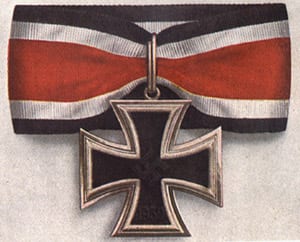
| When awarded, the Knight’s Cross was worn at the base of the neck on a black, white, and red ribbon. Individual Knight’s Cross holders were allowed to attempt various means to affix the RK for their comfort, using, in some cases, ties, clips, buttons, and other such means to hold the RK in place. Whatever the case, the only place the RK was worn was around the neck itself. Some RK holders were known to use an EK2 in place of their RK while in dangerous situations, so that damage or loss would not occur. If, in time, a higher version of the RK was awarded, the highest grade would be worn and the lower version removed. | |||||||||||||||||||||||||||||||||||||||||||||||||||||||||||||||||||||||||||||||||||||||||||||||||||||||||||||||||||||||||||||||||||||||||||||||||||||||||||||||||
Notes: | |||||||||||||||||||||||||||||||||||||||||||||||||||||||||||||||||||||||||||||||||||||||||||||||||||||||||||||||||||||||||||||||||||||||||||||||||||||||||||||||||
| The Knight’s Cross of the Iron Cross was a highly regarded award, being somewhat the equal of the American Medal of Honor. As well as being awarded for individual actions, the RK could also be awarded to a unit commander in recognition of the performance of his unit as a whole. The RK could also be awarded to foreigners, and 43 such awards were made during WWII. Of the 7,318 RK holders, approximately 1,000 are still alive as of 1999, and an unknown number were killed in action or are listed as missing in action during WWII, but approximately 2,500 (34%) are thought to have held this fate. The first Gefreiter (Corporal) to be awarded the RK was Hubert Brinkforth, awarded the RK on March 7th, 1941, as a member of the 14.PzJg-Kompanie/Inf.Reg.25. The three youngest men to be awarded the RK were Gefreiter Christian Lohrey, awarded the RK on March 11th, 1945 as a Kompanie-Trupp-Melder in 3./Pz.Gr.Reg.41, Oberfähnrich/Leutnant Hans Bretz, awarded the RK on May 6th, 1945 as a Zugführer in PzVernichtungs-Brigade Oberschlesien, and Gefreiter Manfred Kuhnert, awarded the RK on January 22nd, 1944 as a Richtschütze in 14.PzJg-Kompanie/Gr.Reg.442. Of all the awards produced during World War II in Nazi Germany, none hold the mystique as much as the Knight’s Cross of the Iron Cross. In fact, the medal is the most famous grade of the Iron Cross (*1). The Knight’s Cross of the Iron Cross or RK was instituted by Adolf Hitler at the outbreak of World War II on September 1st, 1939 (*2). This award was unique since it had not been in existence prior to that time. During World War I, the Pour Le Merite (*3) or PLM was the highest award for valor. The problem with the PLM is that it could only be awarded to officers. Adolf Hitler, an enlisted man in World War I, decided to change that when he became Chancellor and then Führer of Germany. When he launched Germany into a second world war just twenty-one years later, he decided to have a decoration that would bridge the gap between the Iron Cross 1st Class and the Grand Cross of the Iron Cross. In addition, he wanted a decoration that could be awarded regardless of rank (*4). Out of this debacle, the medal was born. The Knight’s Cross was larger than an Iron Cross 1st or 2nd Class. Those awards measured 43.5mm to 45mm across the frame. The Knight’s Cross measured 48.2mm to 48.8mm (*5) and was suspended from a 45mm neck ribbon of black, white, red, white, black material (*6). Incidentally, the ribbon was fastened around the neck using a variety of methods. Some men even used garter belts as fasteners. Since the collar hid most of the ribbon anyway, the owner was virtually limited by his own imagination. The Knight’s Cross (*7) was made of real silver, and the silver content of real Knight’s Crosses ranges from 800, 900, to 935 silver (*8). The content marks can be found on the reverse of all upper frames of all original pieces. Knight’s Crosses found with a silver content mark 925 are to be viewed with much suspicion and should be treated as a fake (*9). In addition to the silver content number, maker codes can sometimes be found on the reverse of rarer crosses. Knight’s Crosses will bear the markings 8002(*10), 800 L/12 (*11) (C.E. Juncker Berlin), 935 4 (*12) (Steinhauer and Lueck), 800 21 (*13) (Gebr. Godet & Co.), or 800 65 (*14) (Klein & Quenzer A.G.). The Knight’s Cross was to be awarded for acts of ultimate bravery in the face of the enemy. The award was also extended to foreign nationals fighting with the Wehrmacht or the SS. The Knight’s Cross was unusual in other ways. Unlike awards as the British Victoria Cross, or the US Medal of Honor, which were strictly valor-based. The Cross could also be given on a point basis. For example, a pilot could have received the Knight’s Cross in 1940 for downing 26 aircraft. As the war went on, the tally got higher in order to receive the award. A U-boat commander could get the Knight’s Cross for sinking 100,000 tons of shipping. In all these cases, exceptions were made (*15). Unlike the Victoria Cross, a Knight’s Cross of the Iron Cross could also be given for successful command of a battle, or even in some cases for a successful withdrawal. In some cases, the Knight’s Cross was even given for services rendered. As a result of all of this, the medal was an all-around award. Judging by its low number of recipients, 7,318 (*16) Knight’s Cross awards were very stringent (*17). Some of the early Knight’s Cross presentations and a few later special awards were made by Hitler personally. In most cases, awards were made by divisional commanders, corps commanders, army group commanders, or, in a few instances, district officials. Recommendations for the Knight’s Cross were generally made by the individual’s commanding officer, with final confirmation coming from Adolf Hitler, who was the commander-in-chief of all the armed forces of the 3rd Reich. The medal was presented in an elongated black leatherette case, which contained the Knight’s Cross of the Iron Cross and a folded length of neck ribbon (*19). The medal was such a famous decoration, thatthe Nazi’s were fast to capitalize on it’s popularity. During World War Two, postcards were produced by the famous photographer Hoffman and the war artist Willirch. These postcards (*20) featured portraits of Knights Cross winners. These cards proved to be very popular and were avidly collected by adults and especially by German youth. These cards are even widely collected today.
| |||||||||||||||||||||||||||||||||||||||||||||||||||||||||||||||||||||||||||||||||||||||||||||||||||||||||||||||||||||||||||||||||||||||||||||||||||||||||||||||||
Bibliography | |||||||||||||||||||||||||||||||||||||||||||||||||||||||||||||||||||||||||||||||||||||||||||||||||||||||||||||||||||||||||||||||||||||||||||||||||||||||||||||||||
| Angolia, John R. For Fuehrer and Fatherland, Volume 1, R. James Bender Publishing, San Jose, California, 1976.Angolia, John R. On the Field of Honor, Volume 1, R. James Bender Publishing, San Jose, California, 1979. Kurowski, Franz. Knight’s Cross Holders of the U-Boat Service, Schiffer Publishing Ltd, Atglen, Pennsylvania, 1995. Littlejohn, David and Dodkins, C.M. Orders, Decorations, Medals and Badges of the Third Reich, Volume 1, R. James Bender Publishing, Mountain View, California, 1968. McCarthy, Robert. World War II German Military Collectibles, Collector Books, Paducah, Kentucky, 1980. Williamson, Gordon. The Iron Cross, A History 1813-1957, Blanford Press, United Kingdom, 1984. Williamson, Gordon. Knights Cross of the Iron Cross, A History 1939-1945, Blanford Press, United Kingdom, 1987. | |||||||||||||||||||||||||||||||||||||||||||||||||||||||||||||||||||||||||||||||||||||||||||||||||||||||||||||||||||||||||||||||||||||||||||||||||||||||||||||||||
Awards | |||||||||||||||||||||||||||||||||||||||||||||||||||||||||||||||||||||||||||||||||||||||||||||||||||||||||||||||||||||||||||||||||||||||||||||||||||||||||||||||||
 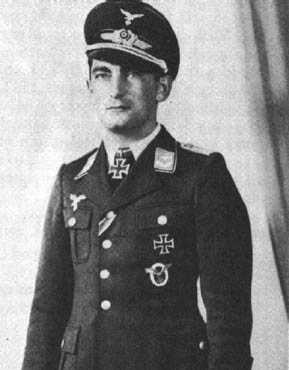 RK holder |